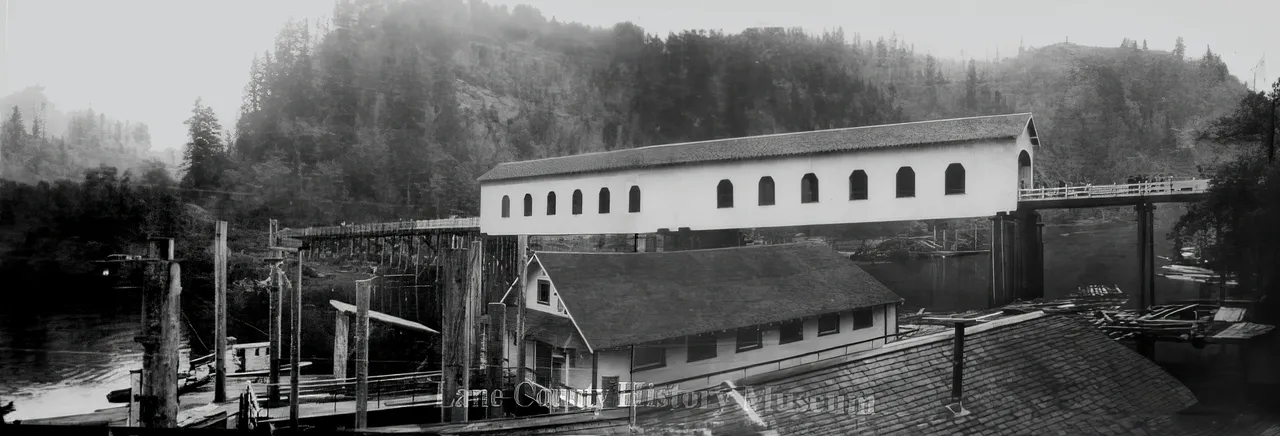
Our Siuslaw River is a significant waterway located on the central coast of Oregon, United States. It spans approximately 110 miles (177 km) from its source in the Central Oregon Coast Range to its mouth at the Pacific Ocean near the city of Florence [2]. The river’s basin covers an area of about 773 square miles (2,000 km²) [2] [4].
Geography and Hydrology
The Siuslaw River originates in the rain-drenched coniferous forests of the Oregon Coast Range and the fertile Lorane Valley, west of Eugene [5]. It flows generally west-northwest through low mountain forests, valley bottomlands scattered with wetlands, sand dunes, and an extensive estuary before meeting the Pacific Ocean [5]. The river’s discharge near Mapleton averages 1,974 cubic feet per second (55.9 m³/s), with a minimum of 45 cubic feet per second (1.3 m³/s) and a maximum of 49,400 cubic feet per second (1,400 m³/s) [2].
Ecological Significance
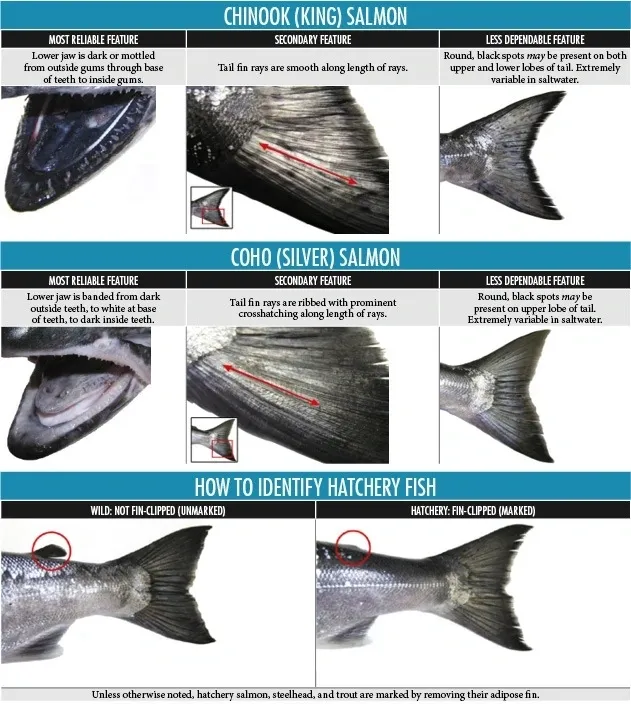
The Siuslaw Ecosystem basin is one of the richest in the Coast Range, supporting a diverse array of fish and wildlife species. It is home to Chinook, steelhead, and some of the largest runs of coho salmon on the Oregon Coast [1]. Historically, the Siuslaw River was second only to the Columbia River in the number of coho salmon returning from the ocean, with an average of 260,000 coho salmon annually[3]. However, due to extensive logging, land development, and other human activities, the coho population has dramatically declined, reaching a low of 500 returning adults in 1997 [3].
Historical Context
The Siuslaw River is named after the Siuslaw people, who historically inhabited the area and called the river “iktat’uu,” meaning “The Big One” [1]. The Siuslaw people managed the watershed for hundreds of generations, utilizing traditional ecological knowledge to maintain a balanced and abundant ecosystem [3]. European American settlers arrived in the 1880s, significantly altering the landscape by straightening streams, logging forests, and developing land for agriculture and settlement [3].
Conservation Efforts
In recent years, various conservation projects have been undertaken to restore and protect the river’s habitat. The Western Rivers Conservancy (WRC) has completed projects on Cleveland Creek and Fivemile and Bell creeks to improve salmon and steelhead habitat [1]. These efforts aim to recover the threatened Oregon Coast Coho and ensure the long-term health of the river’s ecosystem [1].
Recreational Opportunities
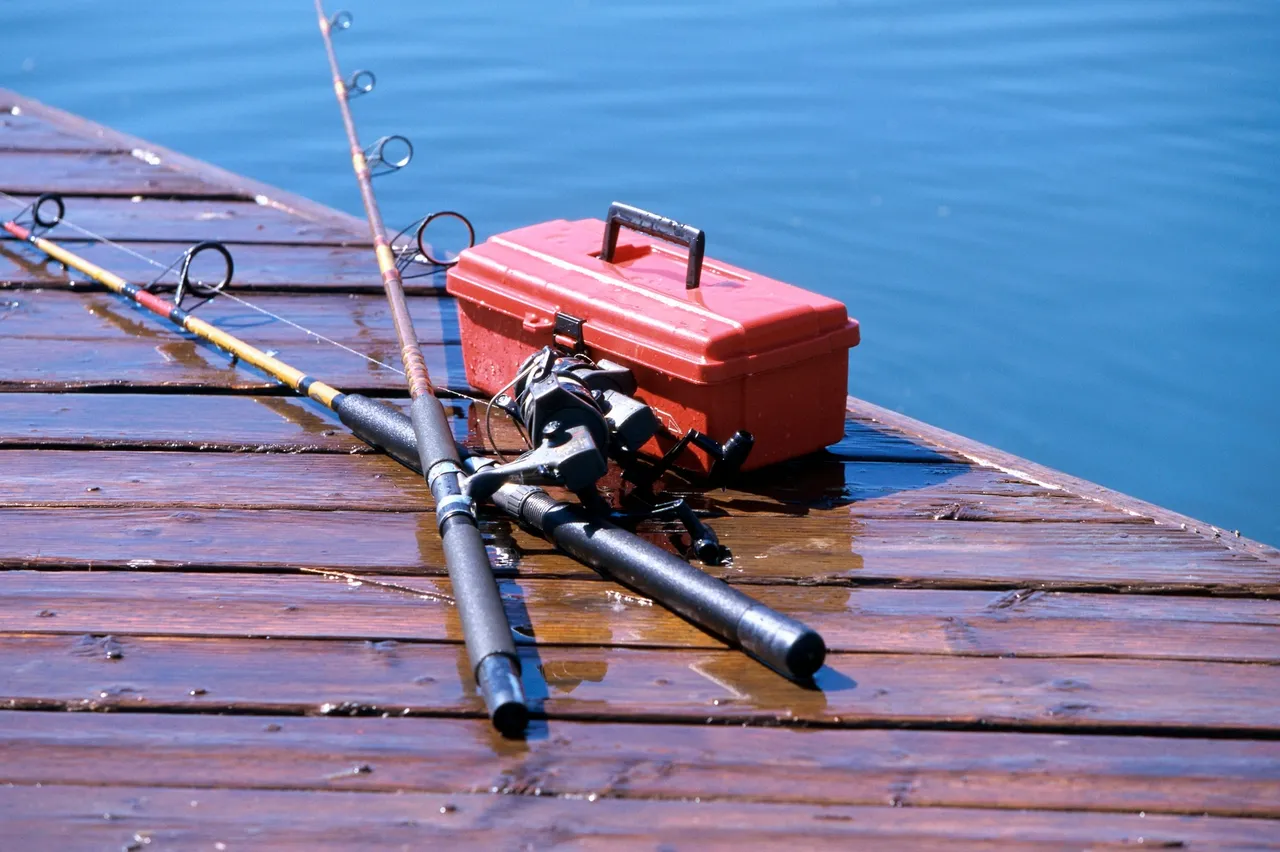
The Siuslaw River offers numerous recreational activities, including fishing, paddling, hiking, and camping. The Siuslaw Water Trail provides 30 miles of peaceful paddling opportunities, passing through sloughs, swamps, sand dunes, and historic waterfronts [1]. The river is a cherished fishing destination, with peak salmon runs occurring in September and early October, and steelhead fishing from late December to March [1]. Scenic hiking trails, such as the Sweet Creek Falls Trail and the Pawn Old Growth Trail, offer picturesque views of the river and its surrounding landscapes [1].
In summary, the Siuslaw River is a vital natural resource with a rich ecological, cultural, and recreational significance. Ongoing conservation efforts aim to restore its historical abundance and ensure its sustainability for future generations.
Citations:
[1] https://www.westernrivers.org/discover/river-of-the-month/siuslaw-river
[2] https://en.wikipedia.org/wiki/Siuslaw_River
[3] https://www.siuslaw.org/the-story-of-the-siuslaw/
[4] https://oregonexplorer.info/content/siuslaw-watershed
[5] https://www.siuslaw.org/the-story-of-the-siuslaw/our-history/