The name “PAWN Trail” holds historical significance as it is derived from the names of four early homestead families who settled in the area near Mapleton, Oregon. The acronym “PAWN” stands for Poole, Akerley, Worthington, and Noland, the surnames of these families. These families were instrumental in establishing a community in the early 1900s after the Coast Indian Reservation was dissolved in 1875, and the name was chosen to represent the families contributions. Here are the key details about the trail:
Trail Overview
– Length: The trail is approximately 0.7 to 0.8 miles long, forming a loop.
– Difficulty: It is generally considered an easy trail, suitable for most hikers.
– Duration: It takes about 19 minutes to complete the loop.
Features
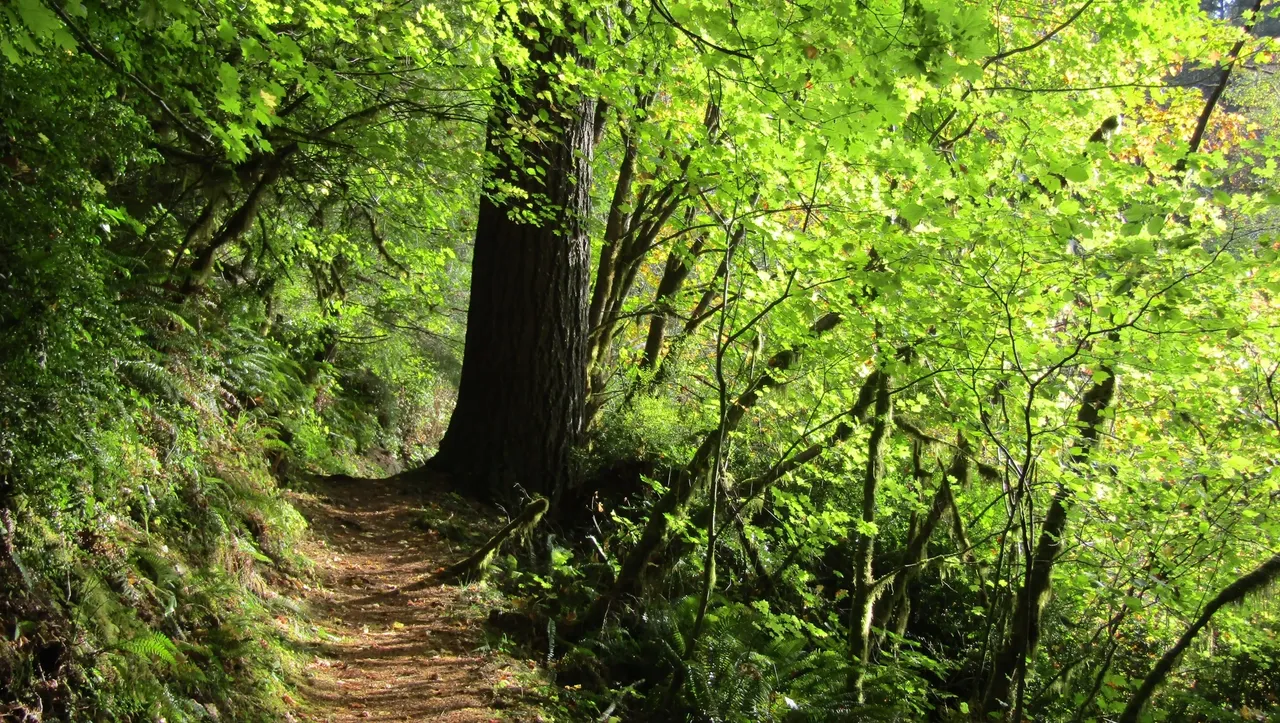
– Old-Growth Forest: The trail provides access to a beautiful old-growth forest ecosystem, featuring towering trees, some as tall as 250 feet.
– Wildlife and Flora: Hikers can enjoy viewing a variety of wildlife and plant species, including a cavernous cedar trunk hollowed by fire and a 500-year-old nursery log sprouting new trees.
Accessibility
– Trailhead: The trailhead is accessible from Florence by driving inland on Highway 126, then turning onto North Fork Road and following specific directions to reach the trailhead.
– Trail Conditions: The trail is well-maintained and features interpretive brochures available at the trailhead, providing educational information about the forest and its ecosystem.
Historical Landmarks on the PAWN Trail
1. Old-Growth Forest: The trail itself is a historical landmark as it passes through an old-growth forest ecosystem, featuring trees that are hundreds of years old, some as tall as 250 feet.
2. Cavernous Cedar Trunk: One notable feature along the trail is a cavernous cedar trunk that has been hollowed out by fire. This natural landmark is a significant point of interest for hikers.
3. 500-Year-Old Nursery Log: Another historical feature is a 500-year-old nursery log that is sprouting new trees. This log represents the natural cycle of growth and decay in the forest.
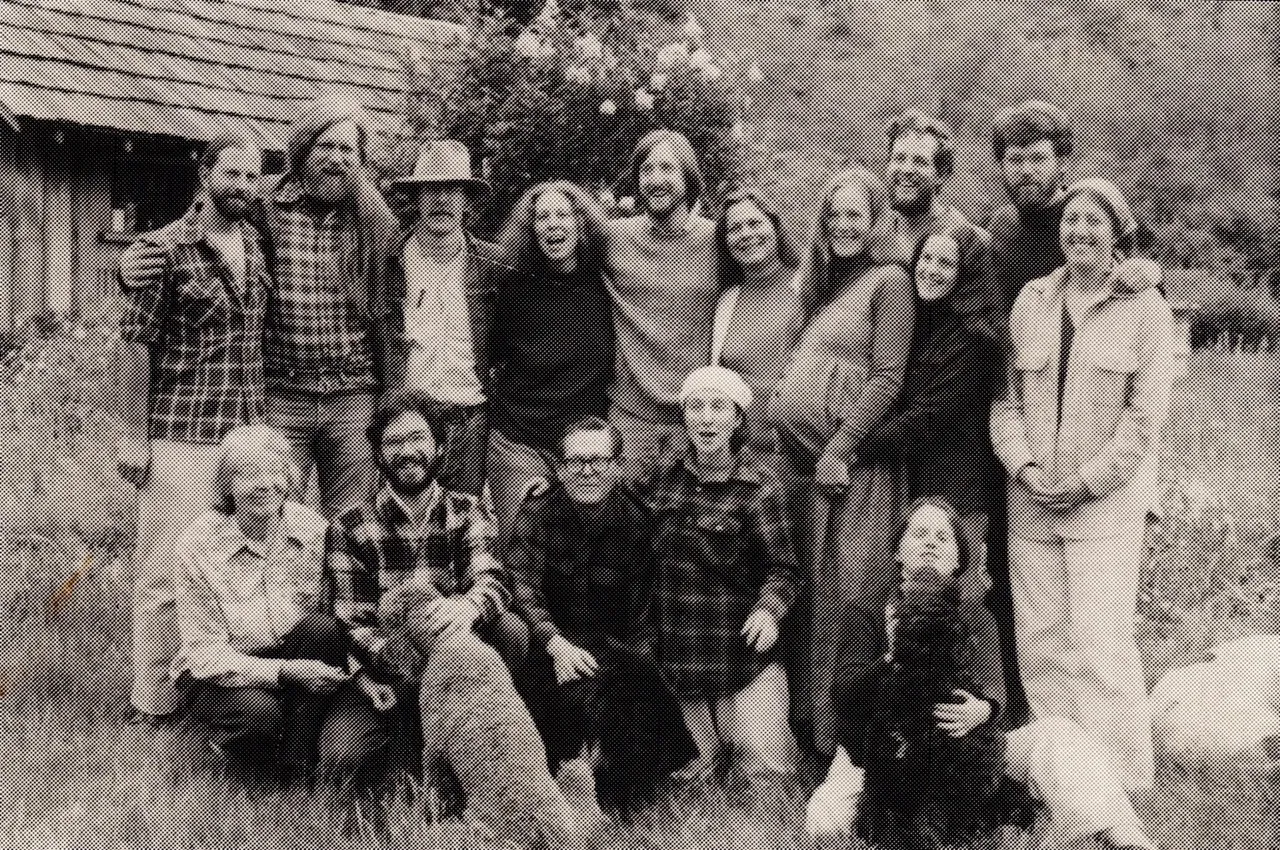
4. Pioneer Settlers: The community near the PAWN Trail in the early 1900s was a small, self-reliant settlement with a strong sense of community, shaped by its natural surroundings and the pioneering efforts of its early homesteaders.
PAWN Community Background
Post Office: The PAWN post office operated from 1915 to 1933, with Monroe Poole serving as the first postmaster. Mail was delivered by horse or wagon, and sometimes transferred from boats further downstream.
Homesteading: The community was primarily composed of homesteaders who staked claims in the area after the Coast Indian Reservation was dissolved in 1875. These settlers were engaged in farming, logging, and other subsistence activities.
Education: The community had its own school for children in grades 1 through 8. Older children had to board in Florence to attend high school, indicating the isolated nature of the settlement.
Logging: Logging was a significant activity in the area, drawing many settlers to harvest the abundant trees in the surrounding forests. This marked the beginning of logging operations that would shape the local economy.
Social and Cultural Aspects
Community Spirit: The settlers were known for their strong sense of community and cooperation. The establishment of the post office and the naming of the community reflect their collaborative efforts to create a cohesive settlement.
Isolation: Before roads connected PAWN to Florence, the community was relatively isolated, relying on local resources and each other for support. This isolation fostered a self-sufficient and resilient community.
Natural Environment
Old-Growth Forest: The area around the PAWN Trail is characterized by its old-growth forest ecosystem, with towering trees and rich biodiversity. This natural environment was both a resource and a challenge for the early settlers.
Additional Information
Rating: The trail has received positive reviews, with an average rating of 4.1 to 4.5 out of 5 from various sources.
Nearby Attractions: The trail is located near other popular hiking spots in Mapleton, such as Sweet Creek Falls and Kentucky Falls Trail, offering additional opportunities for outdoor activities.
The PAWN Trail and its rich history is a hidden gem in the Coast Range, providing a serene and educational hiking experience through a lush old-growth forest.
Citations:
[1] https://www.alltrails.com/trail/us/oregon/pawn-trail–2
[2] https://www.siuslaw.org/hiking/
[4] https://www.fs.usda.gov/recarea/siuslaw/recarea/?recid=42417
[5] https://www.eugenecascadescoast.org/listing/pawn-trail-%231317/14375/
[6] https://dps.mn.gov/divisions/dvs/forms-documents/Documents/mn-dealer-list.pdf
[7] https://www.fs.usda.gov/recarea/siuslaw/recarea/?recid=42419
[9] https://www.alltrails.com/us/oregon/mapleton
[10] https://www.siuslaw.org/events/8929-2/
[11] https://www.theoutbound.com/oregon/hiking/pawn-trail
[12] https://maplelanervpark.com/f/great-hiking-trails-near-mapleton